Welcome to Autism: A Broad Spectrum
- chelseabivens4
- Jun 9, 2024
- 6 min read

Updated: Jun 29, 2024
I'm writing this post to be a foundation for parents of newly diagnosed children to get a foothold on this neurological disorder. Use it as a guide so that you can prepare and have an idea of what to expect. Or maybe you have questions because you think a family member may be autistic as well. Either way, you may want to bookmark this page as I will be linking lots of sources for you to refer to. I think it is important that we educate as many people as we can on the unique circumstances that special needs kids are in.

A lot of the time when someone finds out my son is autistic, they go straight to saying something like “Oh he’s going to be a genius” ... and the very first thing that comes to my mind is that him being a genius is the farthest thing from my head right now. But I just smile and nod and say “Yeah, when he’s an adult I’m sure that will be useful to him.” There are many challenges for my son and I am just happy enough getting him through one day without meltdowns and aggressive behaviors. Still, autism is not something to be cured it is simply another way of thinking. While there are many challenges there are also advantages like having higher IQs or impressive abilities that most other people would not have. However, I will get into my son’s challenges and abilities as I mention them throughout the rest of this post.
So, for starters, I will explain the definition of autism spectrum disorder (ASD). It is a condition within the brain (neurological) that has different levels of severity throughout one’s lifetime and comes with various challenges that have to do with social interaction, speech, repetitive behaviors, aggressive behaviors, sensory discomfort, learning, and sometimes many other things. I would like to note before I go any further that every autistic person is completely different just as we all are different. Like how I may have something in common with someone else, and the same goes for autistic people. Although, they do not always experience the same things in the same way. One thing they have in common is their brain type.
Regular people (whatever that means) have neurotypical brains while people with neurodivergent brains are people who have ADHD, anxiety, ASD, dyslexia, OCD, and other disorders. Someone can have a mix of traits from both neurotypical and neurodivergent brain types. Again, this goes back to my point of everyone being different, thinking and behaving differently. There is so much diversity in the neurodivergent community.
Diagnosing
If you are wondering about whether you should get your child checked I would say go for it. Signs can be noticed as early as two years old and the faster you get therapies started the better the chances are that your child will be able to learn the skills they need by the time they are an adult. From personal experience, my son's diagnosis took two days to do and we did it at Nationwide Children's Hospital in Ohio. There were a few different psychologists and therapists that were involved with the evaluations.

Signs & Symptoms
Signs of autism can be seen in the early years of life. Keep in mind autistic children may not have all these signs but can still be diagnosed with autism. My son doesn’t have all these symptoms but was still diagnosed at a level 2 which just means he will need a moderate amount of health. Some doctors who do the evaluations will use a level system to give you an idea of where your child is at. Level 1 (low functioning) means they will need some help, level 2 means they will need moderate amounts of help, and level 3 (high functioning) means that they will need a significant amount of help. But to help give you an idea here are some symptoms of autism that can be noticed in children:
Not responding to their name or appearing not to hear you
Not playing games involving interaction like rock paper scissors or patty cake
Not showing interest in others (as in not showing you something in their possession that they like)
Avoids eye contact
Stimming (hand flapping, spinning, or rocking their body)
Unusual interests (this can mean many, MANY different things)
Repeating phrases and behaviors
Delayed language
Not showing facial expressions (happy, sad, etc.)
Not pointing to show you something
Getting upset with interruptions in routines
Unusual sleeping habits
Emotional regulation
Aggression (including causing self-injuries)
Not laughing (or laughing at random times when there is nothing to laugh about)
Social anxiety
Lack of social skills if any
Not understanding jokes or sarcasm
Either have trouble learning or learns quickly
Prefers to be alone or play alone
Resists cuddling or hugs
Can’t start a conversation or uses words to request things or label them
Speaking with an unusual tone or singing the words
Being inappropriate when approaching a social interaction by being passive or aggressive
Not understanding directions or questions
No sense of danger
Coordination problems involving walking on toes, clumsiness, or weird body language
Difficulty recognizing other people’s facial expressions, body language, or tone of voice
Sensory sensitive to light, sound, smell, or touch but at the same time indifferent to pain
Fixates on an object or activity with an uncommon amount of focus
Specific food preferences (please do not mistake this as being a picky eater! I will get into this later) involving eating only a few select foods or not wanting foods with certain textures
Scripting (re-enacting things he sees in movies or in life repeatedly)
Not smiling when you smile at them
Getting upset due to sensory overload
Not pretend playing (such as role-playing a superhero or playing with action figures)
Not understanding what others are thinking or feeling
Taking things very literally (like not understanding phrases such as “it’s raining cats and dogs”)
Pica (eating or chewing on non-edible objects such as carpet, collar of shirt, glue, and various other things)
Autism in Girls and Boys
It is harder to determine whether girls have autism than it is with boys. Girls tend to hide their symptoms better with learned behavior like copying other people. People started recognizing the condition of autism in the 1940s. Research continues to find out more about what causes girls and boys to be born with autism. Diagnoses are missed a lot more in girls which can lead to mental health problems like anxiety. This link from Psych Central goes into more depth with the matter and also provides some more links to other resources that you can check.

Stimming
I want to talk a little about stimming before I provide a link with more information on it. I believe that you should NOT stop your child from stimming because it is their way of coping with overstimulation and self-regulating their emotions. Stimming is short for "self-stimulatory behavior" and it is an act that every person does on some level. Nail biting, shaking your leg, rubbing your fingers together, biting your lip, and many other things are what most people do when they are overwhelmed. It's something you do to focus on the repetitive movements or sounds instead of focusing on whatever is bothering you. While it may seem strange, as long as they are not hurting themselves, then you should allow your child to stim. For some examples of stimming and reasons why your child may be stimming you can check out this link from raisingchildren.net. My son's include hand flapping and putting his hands up by his face.
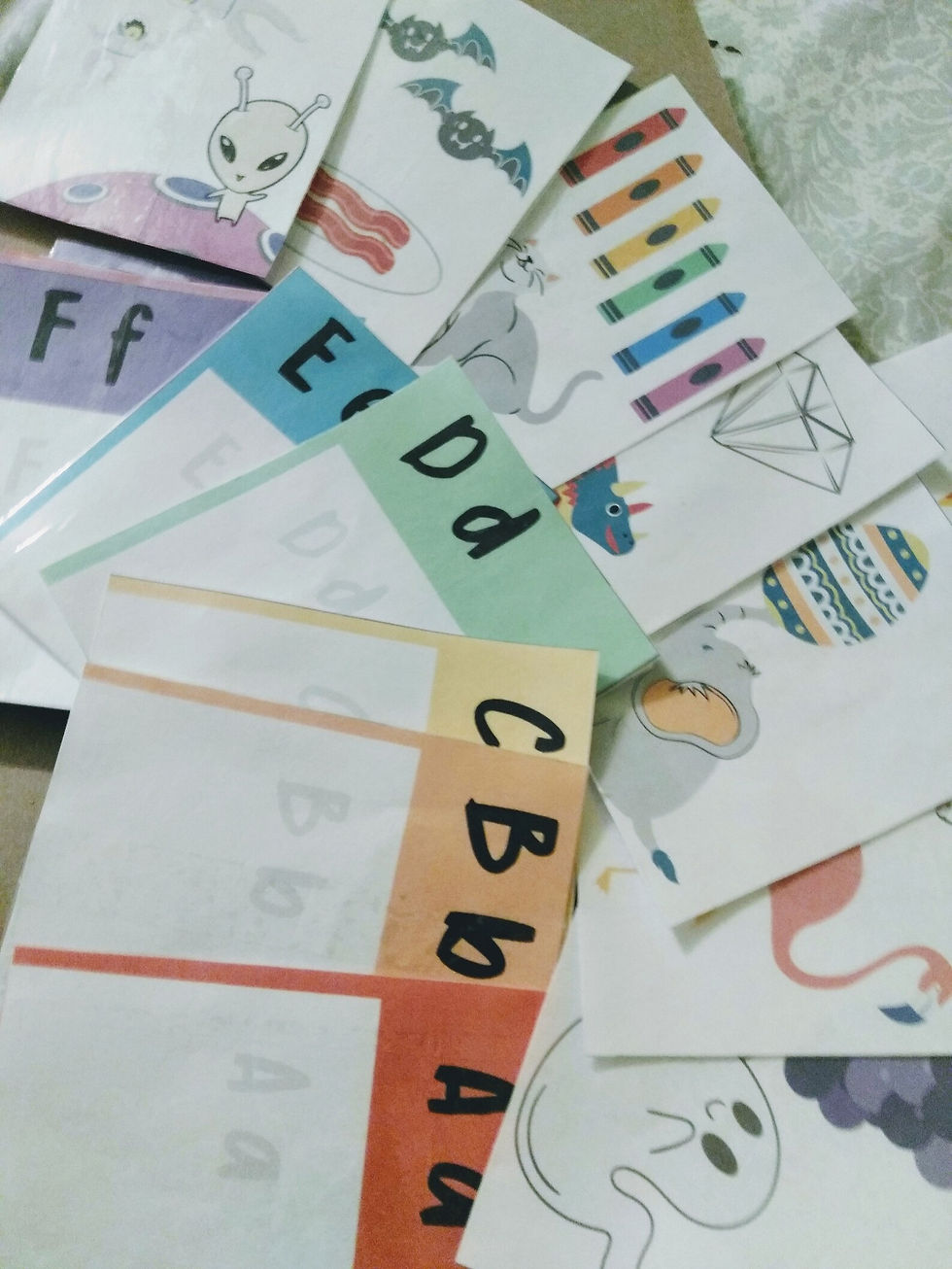
Before I end this I would like to offer you a printable from my Etsy shop. One of my son's things that excels at is the alphabet (it is an obsession for sure). I created this ABC Matching Game printable for my son years ago and he loved it. It is a digital download that you print out and cut out. I covered mine with packing tape since I don't have a laminator and because my autistic child destroys quite literally everything he gets his hand on. This will definitely make them last longer. After prepping them they just match the letter to the picture with the objects that start with that letter. Additionally, they can practice tracing with dry-erase markers on the letter cards in the area provided on it. This is assuming you chose to cover it with some kind of plastic.
Conclusion
If you have questions about anything else relating to autism that I did not cover in this post please feel free to comment on this post or email me at chelseabivens4@gmail.com and I will add it in. I hope this gives you some kind of idea of where to start your autism journey. Good luck and wish you all the best!


Comments